
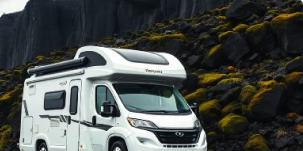
Iceland is one of the most dramatic landscapes on earth — and one of the least forgiving if you show up unprepared. Packing for a campervan trip here is a different game than packing for a standard holiday. The weather shifts fast, infrastructure outside Reykjavík is sparse, and the conditions you encounter in June can feel nothing like what you imagined. This guide covers everything you actually need, and a few things you can leave behind.
Clothing: Layer Everything
Iceland’s weather is built on layers, and so should your wardrobe be. Even in summer, temperatures rarely climb above 15°C, and wind and rain can arrive without warning. The goal is a base layer that wicks moisture, a mid layer that traps warmth, and an outer shell that keeps everything dry.
What to bring:
- Waterproof, windproof jacket (your most important item)
- Waterproof trousers — these earn their place quickly
- Thermal base layers (merino wool is worth the investment)
- Fleece or down mid-layer
- Warm hat and gloves, even in July
- Sturdy, waterproof hiking boots — fully broken in before you go
- Quick-dry clothing for daily wear
- Swimwear for hot springs and geothermal pools
Leave the heavy denim at home. It takes forever to dry and will make you miserable in cold, wet conditions.
Navigation and Tech
GPS signal can be patchy in remote highland areas, and relying on mobile data alone is a risk you don’t want to take when you’re driving an F-road hours from the nearest town.
What to bring:
- Offline maps downloaded to your phone before you leave (Maps.me or Google Maps offline)
- Portable power bank — a large capacity one, at least 20,000mAh
- Car charger with multiple USB ports
- Action camera or a proper camera with spare batteries and memory cards
- Headlamp with fresh batteries (essential for winter, useful year-round)
- SIM card with an Icelandic data plan or international roaming enabled
Download the 112 Iceland app before you depart. It allows you to send your GPS coordinates to emergency services even in areas with no signal, by logging your location before you lose connectivity.
Food and Cooking
Eating out in Iceland is expensive. A simple dinner in Reykjavík can easily run €25–40 per person. Cooking in your campervan is one of the most effective ways to keep your budget under control, and frankly, it’s one of the best parts of the trip — cooking with a view of a glacier is hard to beat.
What to bring:
- Non-perishable pantry staples: pasta, rice, oats, tinned fish, lentils
- Good quality reusable water bottles (tap water in Iceland is excellent — use it)
- Thermos flask for coffee, tea, and soup on the road
- Compact cutting board and a decent knife
- Spices, oil, and condiments — the basics make camp cooking dramatically better
- Dish soap, a sponge, and a small drying cloth
- Dry bags or zip-lock bags to keep food organised and moisture-free
Most campervans come equipped with a basic gas hob and a small cooler or fridge. Stock up on groceries at Bónus or Krónan — Iceland’s budget supermarket chains — before you head into less populated areas.
Safety and Emergency Gear
Iceland’s landscape is breathtaking and genuinely wild. Accidents happen, weather closes in, and roads that look passable can become treacherous within minutes.
What to bring:
- First aid kit — a comprehensive one, not just plasters
- Emergency foil blankets (lightweight, take up no space, potentially lifesaving)
- Tow rope — some rental agreements require this for highland driving
- Sand ladders or traction boards if you’re driving an F-road route
- Emergency food and water reserve (a 24-hour supply minimum)
- Whistle
- Fully charged portable battery for your phone before every long drive
Register your travel plan at SafeTravel.is before any remote or highland journey. It takes five minutes and ensures rescue teams know where to look if something goes wrong.
Campervan-Specific Essentials
Some items are obvious once you’re on the road, and less obvious before you leave home.
- Microfibre towels — they dry fast and take up almost no space
- A good sleeping bag rated for low temperatures, even in summer
- Earplugs and an eye mask — campsite life means early light and neighbouring campers
- Doormat or a small rug for the van entrance
- A laundry bag and knowledge of where the nearest laundromat is on your route
- Cash in Icelandic Króna for smaller campsites that don’t take card
What You Can Leave Behind
Iceland has well-stocked supermarkets in most larger towns, and Reykjavík has everything you’d find in any European capital. You don’t need to bring:
- Excessive toiletries (buy them there if you run out)
- A laptop unless you need it for work — it just adds weight
- Formal or smart clothing — Iceland is thoroughly casual
- A hairdryer — campsite facilities vary and it’s not worth the bag space
Pack light. The less you bring, the more space you have to move around your van, and the less time you spend searching for things.
Final Thought
The best-prepared campervan travellers in Iceland are the ones who respect the unpredictability of the environment and plan for it without overthinking it. Get the right layers, download your maps, keep your tank above half, and register your route. Everything else is details.